How BATwireless Cellular Antennas Support 4G LTE and 5G Networks
Mobile communication has transformed the manner in which individuals interact, work, and obtain information. The current wireless networks are based on high-strength signal transmission between the devices and the network infrastructure. The main role in this process should be given to the antennas as they transmit the radio signals and receive the radio signals that are used to convey data. Mobile networks are made to work coherently with the help of cellular antennas, which facilitate the communication between the base stations, devices, and systems connected to them. BATwireless is producing cellular antennas that have the ability to support the signal requirements of 4G LTE and 5G networks in various settings.
Role of Antennas in Cellular Communication
Cellular networks are operated by the communication between the radio, the network towers, and the devices. These signals are picked up by the antennas and channeled to communication equipment. The absence of efficient antennas would cause signals to lose strength before reaching the destination. A properly designed cellular antenna enhances the reception of signals and contributes to the stable communication of the devices and the network.
Supporting 4G LTE Connectivity
The fourth-generation mobile networks are still popular in several locations. They are networks that offer good connections to the data of smartphones, routers, and connected devices. The 4G LTE cellular antennas operate over a range of frequencies used by mobile carriers. There is also maintenance of good connections and daily data communication, as antennas can receive and transmit signals in these bands.
Preparing for 5G Network Expansion
The fifth-generation networks come with increased speed and can accommodate more connected devices. With the continued growth of such networks, antennas have to be capable of supporting additional frequency bands and communication techniques. The 5G-compatible cellular antennas are made to work with the new frequencies and also remain compatible with the previous networks.
Multi-Band Signal Capability
A significant number of cellular antennas work with several frequency bands simultaneously. This was enabled to enable a single antenna to support multiple network standards. Multi-band support assists the devices in staying connected when they change to other types of networks based on coverage and signal strength.
Signal Stability Importance
Constant transmission of signals is significant in ensuring good communication. The surrounding situations, like buildings, weather, and terrain, may influence the quality of signals. Cellular antennas are constructed to ensure stable communication by effectively picking up the signals and minimizing the losses in transmission.
Installations on the Outdoor Network
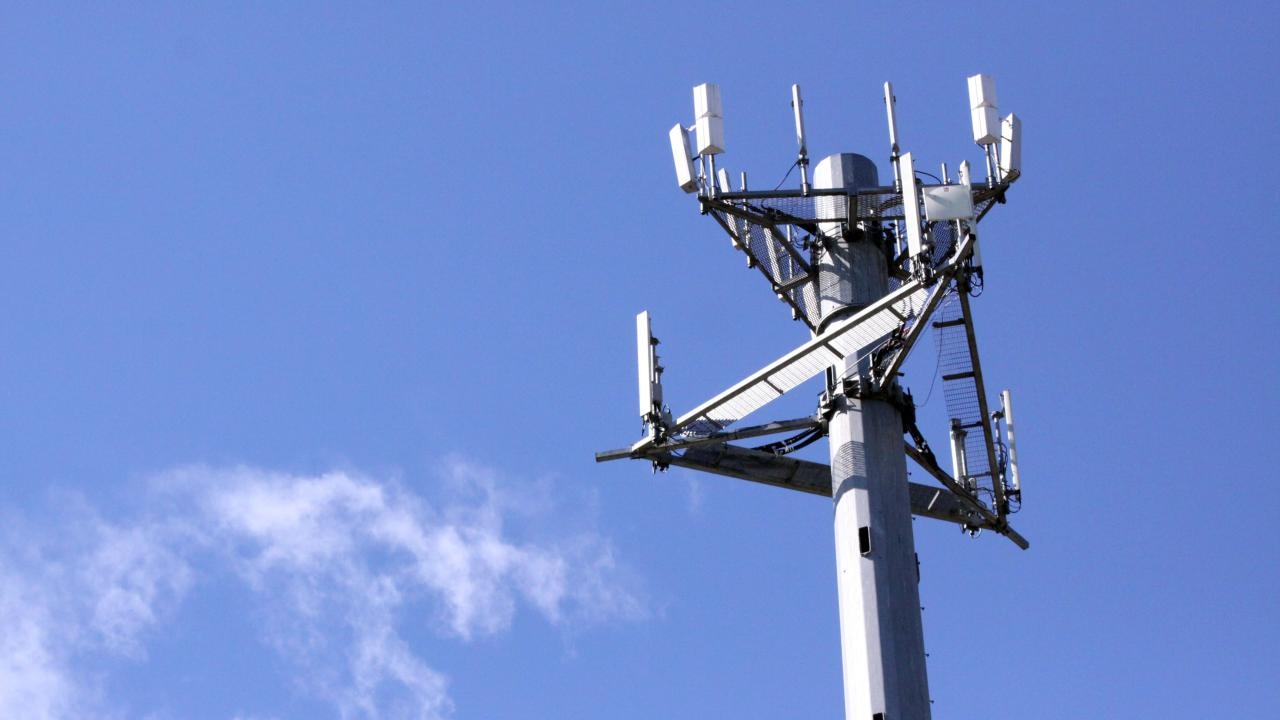
Communication systems that are used outdoors may utilize antennas mounted on towers, buildings, or other high-rise buildings. These antennas should be able to work under different weather conditions and in large-scale coverage. The outdoor cellular antennas are designed to withstand temperature variations, wind, and dampness.
Indoor Signal Distribution
Most buildings have to install more antennas to broadcast cell signals within the buildings. Outdoor base stations may be blocked by large offices, shopping centers, and facilities used by the public. Indoor antennas also assist in the extension of the network coverage in such spaces, so that devices can have good connections.
Directional and Omnidirectional Designs
Various signal patterns can be used in the design of the cellular antennas. An omnidirectional antenna radiates signals in all directions. Directional antennas are used to concentrate signals on a given region. The two designs can be used in various communication requirements according to the network deployment.
Role in Connected Devices
Cellular antennas are also applied in network infrastructure. There are also a lot of devices that are connected to them. Cellular antennas are frequently part of routers, vehicle communication systems, industrial sensors, and monitoring equipment in order to allow them to connect to mobile networks. These gadgets are dependent on sustained signal coverage in order to transmit and receive information.
Support for Expanding Data Demand
The list of interconnected devices is growing each year exceptionally. Wireless communication is essential in Smartphones, smart home systems, and industrial equipment. The cellular antennas contribute towards this increased need by enhancing the transmission of signals and keeping the networks efficient.
Integration with Modern Communication Systems
Contemporary communication systems tend to integrate multiple technologies such as mobile networks, satellite navigation, and wireless data systems. These technologies are used alongside cellular antennas to ensure reliable data transmission. They can work at various frequency bands and thus fit in most communication environments.
Conclusion
The cellular antennas are significant in the support of the communication systems of 4G LTE and 5G networks. They aid the devices to the mobile infrastructure by capturing and transmitting radio signals effectively. BATwireless is an antenna manufacturer that creates antennas that can be used in various frequency bands and that can be adjusted to various situations during installation. Outdoor base stations, indoor communication systems, and connected devices all facilitate the signal performance of contemporary mobile networks. With the ever-growing use of wireless communication, the effective and consistent work of the antenna is a necessity to ensure a constant and effective connection within the network.